
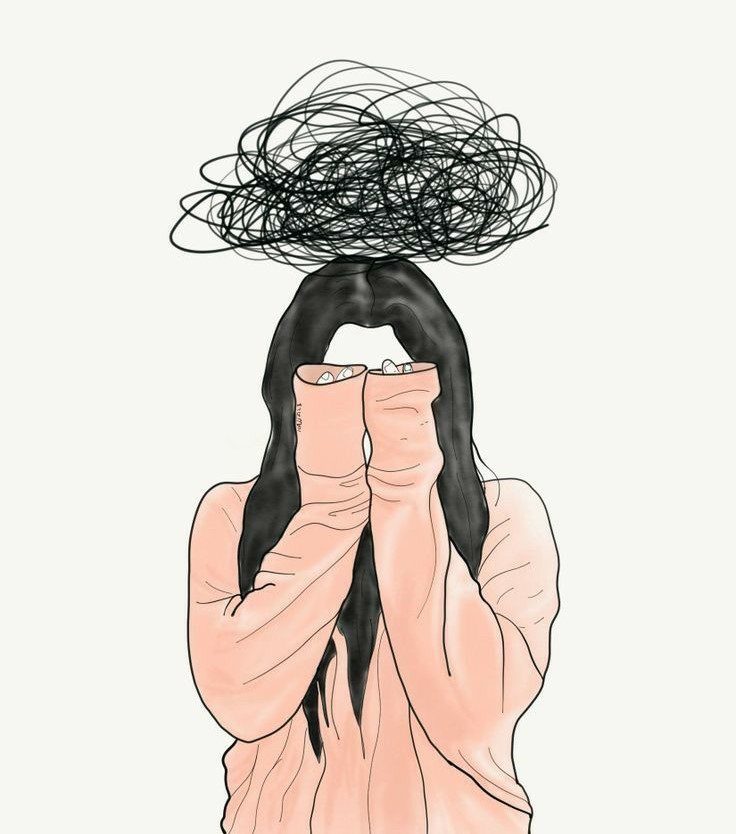
If you are an avid TikTok user like I am, you must have come across this phrase more times than you care to count: “Here are some things I decided to use my free will to do.” As a global society, we have become increasingly aware of freedom, both freedom to and freedom from. It is an ideology that global media now pushes quite heavily. In fact, freedom is often presented as the ultimate expression of human flourishing. The ability to choose your career, identity, beliefs, relationships, and lifestyle is said to be well within your reach. We are told that we can be anything, choose anything, become anything.
This is not entirely a bad thing. The ideology evolved in part from the need to quell authoritarianism in many areas of life. Despite this unprecedented freedom, however, a tension has emerged. We are more anxious, isolated, and uncertain than ever before.
Perhaps the problem is not with freedom itself, but with our understanding of what it ought to be and how it should express itself in a society with many competing influences.
The myth of the independent individual is a close companion of this modern idea of freedom. Much of the media we consume reflects modern Western culture, which celebrates the autonomous individual. It encourages us to do whatever pleases us simply because we can. The difficulty is that human beings cannot live in isolation. Aristotle believed that human beings are social creatures who find fulfilment through community and relationships. This means that our identity and our choices are shaped within those contexts.
In fact, nobody truly makes an independent decision. Every decision we make is influenced by some sociological reality: family, culture, education, religion, media, and economic conditions. Even rebellion is often reactionary rather than independent. People rarely rebel simply because they can. They rebel against something such as overbearing parents or oppressive systems.
Even the Bible does not portray human beings as independent actors. Ecclesiastes 4:8–12 reminds us that two are better than one. The idea of the completely independent individual is therefore little more than a convenient fiction that quietly erodes the fabric of society and community.
At first glance, having a wide array of options appears to be a blessing. The assumption is simple: more options should lead to a more fulfilling life. Yet when we think about it carefully, it can feel strangely oppressive. Barry Schwartz refers to this as the “Paradox of Choice.” When we are faced with too many options, the effort required to compare them becomes overwhelming. We either end up choosing nothing at all or choosing something simply to relieve the pressure of deciding.
If we must choose between two things, the cost is relatively simple. But if we must choose between two hundred things, the cost becomes heavier. By choosing one option, we reject the other one hundred and ninety-nine. This makes us acutely aware of the attractive features of the options we did not choose. In the end, we are left dissatisfied.
Another challenge we face is escalated expectations. When we select one imperfect option from a large pool of possibilities, we often blame ourselves. We believe we should have chosen better because the options were so many.
Instead of feeling liberated, we end up feeling burdened by the responsibility of endless self-design.
The modern cultural message encourages us to follow our hearts, live our truth, and define our own paths. Beneath these ideas lies the belief that the individual is sovereign. This radical individualism, however, has proved difficult to reconcile with social reality. It has created confusion and tension within society. Family ties have weakened, civic responsibility has declined, and shared moral frameworks have begun to collapse.
The danger is that community is slowly being reduced to a collection of individuals pursuing personal interests. Communality is then maintained only as long as those personal interests happen to overlap.
Yet freedom should express itself relationally. We must never forget that where one person’s rights end, another person’s begin. This means that we are bound by certain duties toward others, and our choices inevitably affect the various relationships that shape our lives.
Limitless freedom also carries subtle but real consequences. Loneliness, identity confusion, weakened social bonds, endless self-reinvention, and a growing fear of commitment have become common experiences. Ironically, people with the most options often feel the least certain about their lives. Being the sole architect of one’s life may sound empowering, but it is also daunting and exhausting.
True freedom is not expressed by doing whatever we want. It is expressed by developing the character to desire and pursue what is objectively good. Freedom is not the absence of restraint. It is the ability to live meaningfully within reasonable boundaries.
Even the Bible presents freedom in this way. It describes freedom as the ability to detach oneself from destructive desires and chaos, and the capacity to live in truth, love, and responsibility.
The modern obsession with individual autonomy, often presented as freedom, may therefore misunderstand the concept entirely. Freedom may not be found in limitless choices or radical autonomy, but in wisdom, moral clarity, meaningful commitments, community, and truth.
In the end, true freedom is the grace to choose what leads to life, and the humility to recognize that life cannot be lived in isolation.
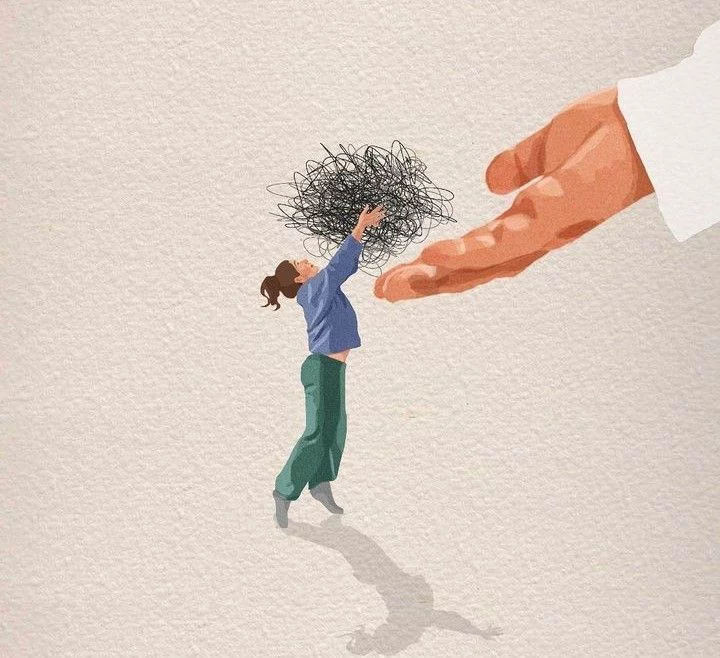
If this resonates with you, I’d love for you to sit with it, breathe, and share your thoughts with us here- https://justhummingbird.com/contact-me/ , and if you need legal or creative guidance and support, you can also explore the services we offer right here – https://services.justhummingbird.com/.